HWArobotics
Rack-grid background — running on the live page Animation is disabled here so it cannot cover the editing handles. Open the page on the front end to see it.

Pallet Shuttle System

Four-directional shuttles for full pallets in deep-lane racking. One platform, two temperature ratings: ambient, and continuous operation down to −25 °C.

FPSS1500 Series

Pallet Shuttles

Unlike the tote range, this is not four different machines. It is a single shuttle built to two temperature specifications, which means the decision is short: where the pallets are stored, and how cold that place is. Everything else, including the control software, the spares and the training, is shared.

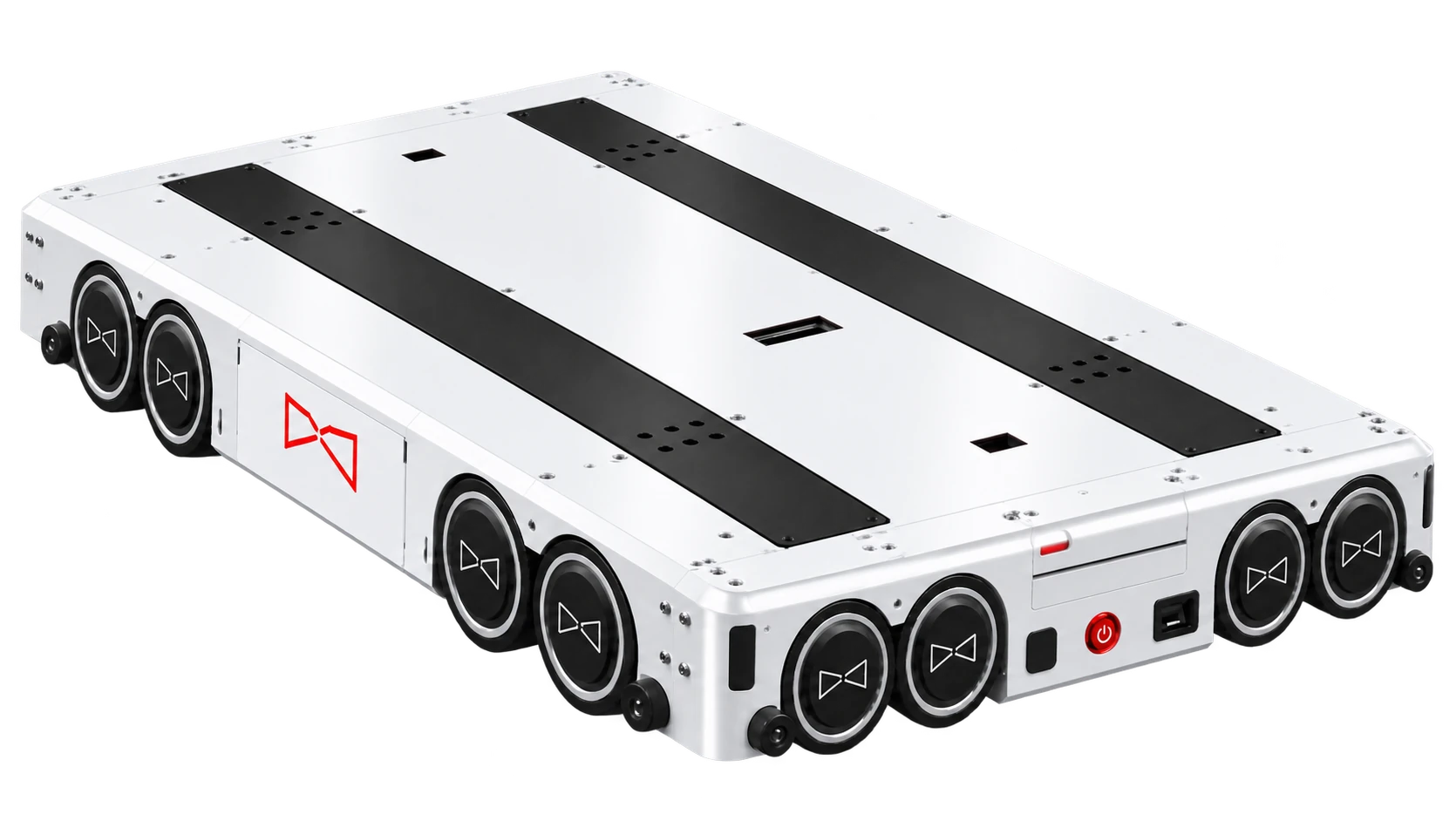
FPSS1500A

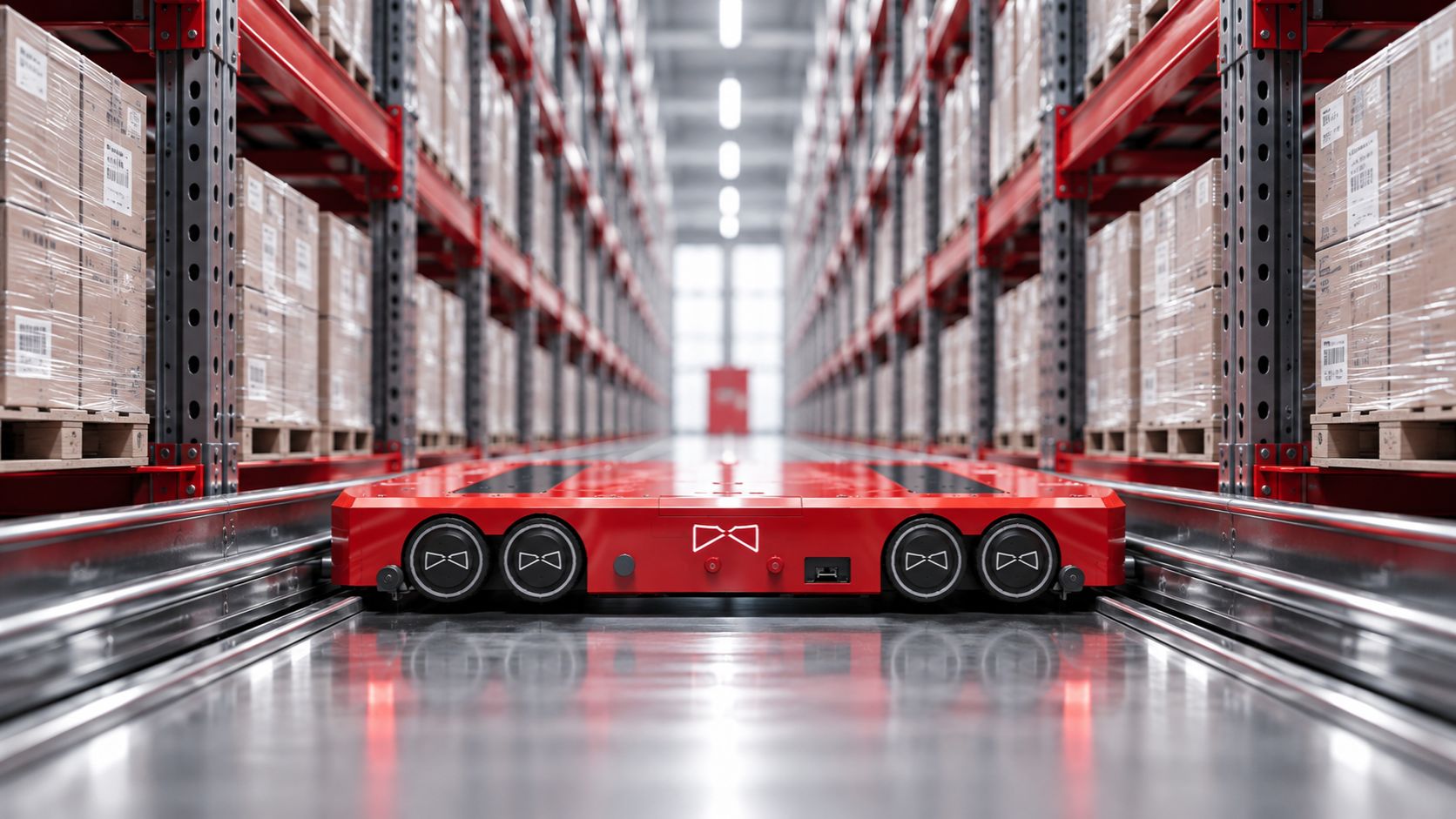
All-electric four-directional handling of full pallets up to 1,500 kg, working inside deep-lane racking so the floor is not given over to forklift aisles.

Full specification →
FPSS1500B (Sub-zero)

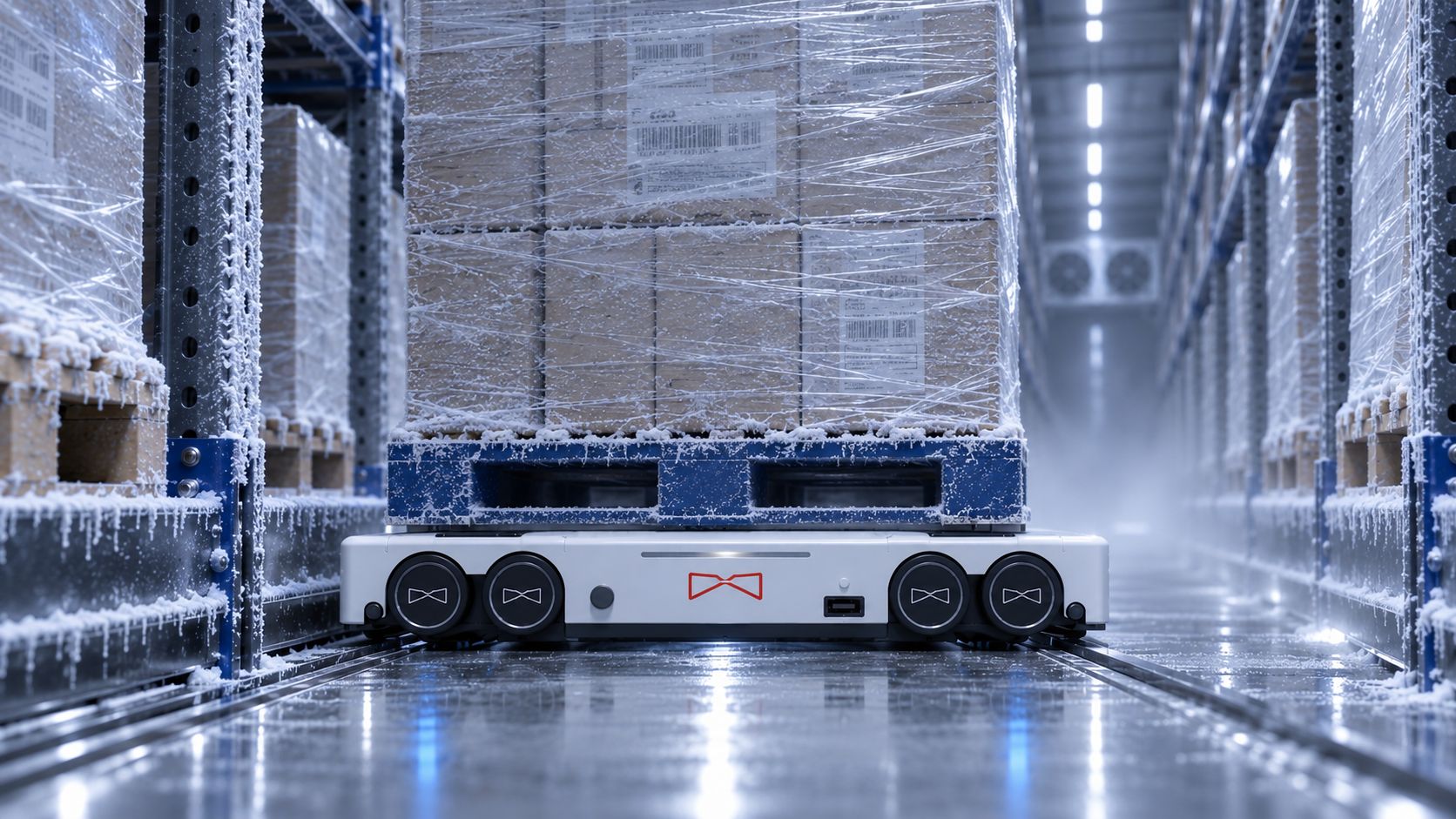
The same platform rated for continuous running down to −25 °C, where forklifts lose reliability and staffing a freezer becomes the harder problem to solve.

Full specification →
Pallet Shuttle comparison chart

SpecificationFPSS1500AFPSS1500B
MovementFour-directionalFour-directional
Payload1,500 kg1,500 kg
Temperature range−10 to 50 °C−25 to 50 °C
Max speed2 m/s2 m/s
Loaded acceleration≥0.3 m/s²≥0.3 m/s²
Runtime per charge72 h72 h
Shuttle size (L×W×H) mm1172 × 960 × 1251172 × 960 × 125
Pallet size mm1200 × 10001200 × 1000
Positioning accuracy±3 mm±3 mm
CertificationCECE

The complete system

The complete pallet system

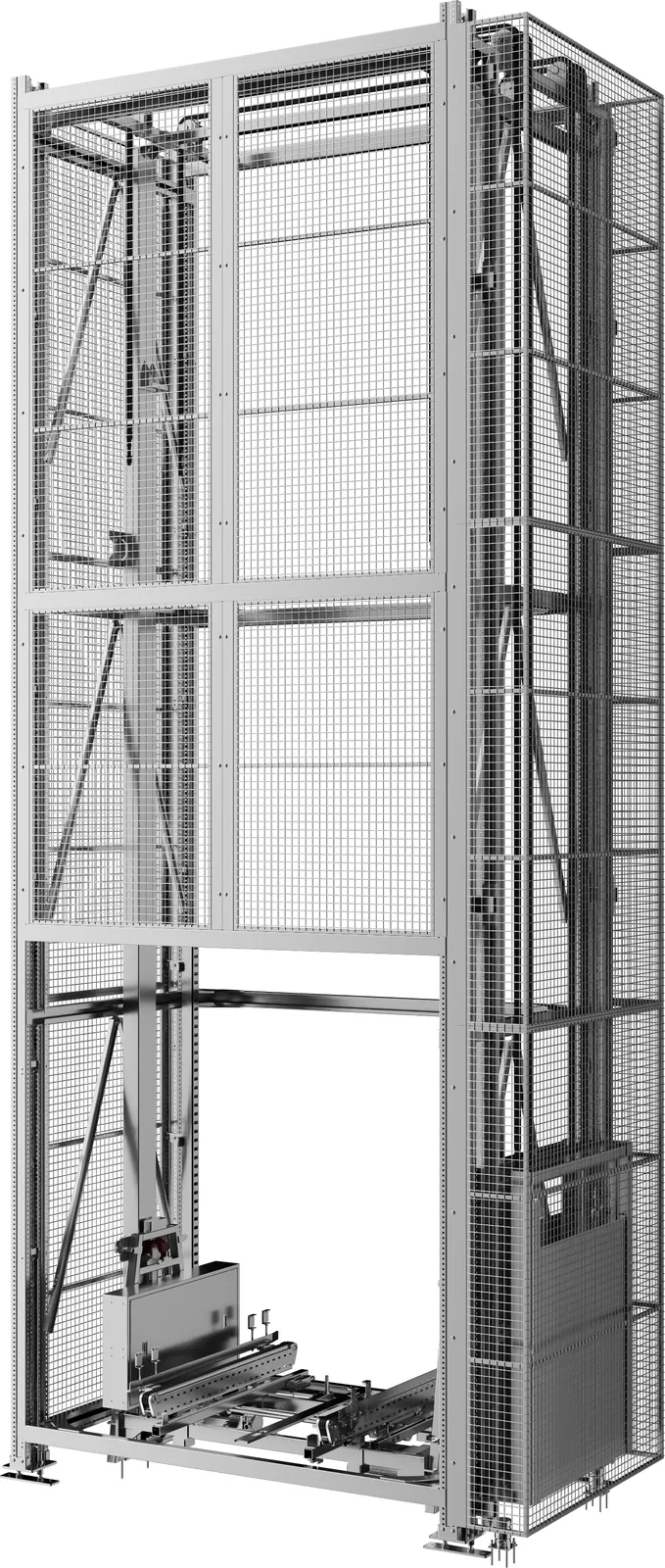
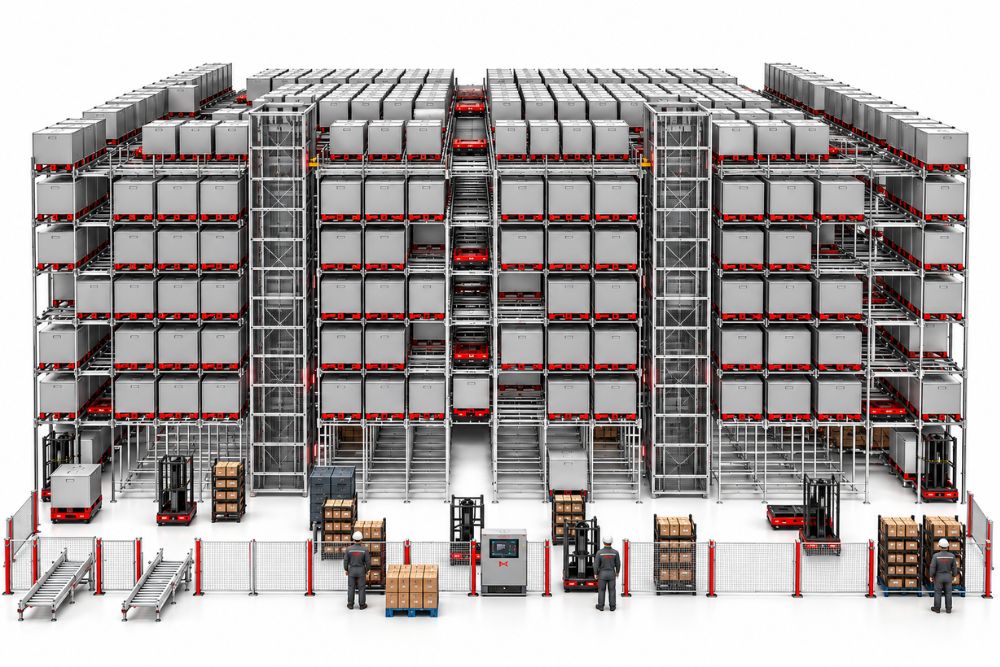
A four-way shuttle handles every horizontal move in the rack. Servo hoists carry shuttles and pallets between levels. Because throughput is set by how many shuttles, hoists and conveyors you run rather than by the structure, density and speed can be specified independently of each other.

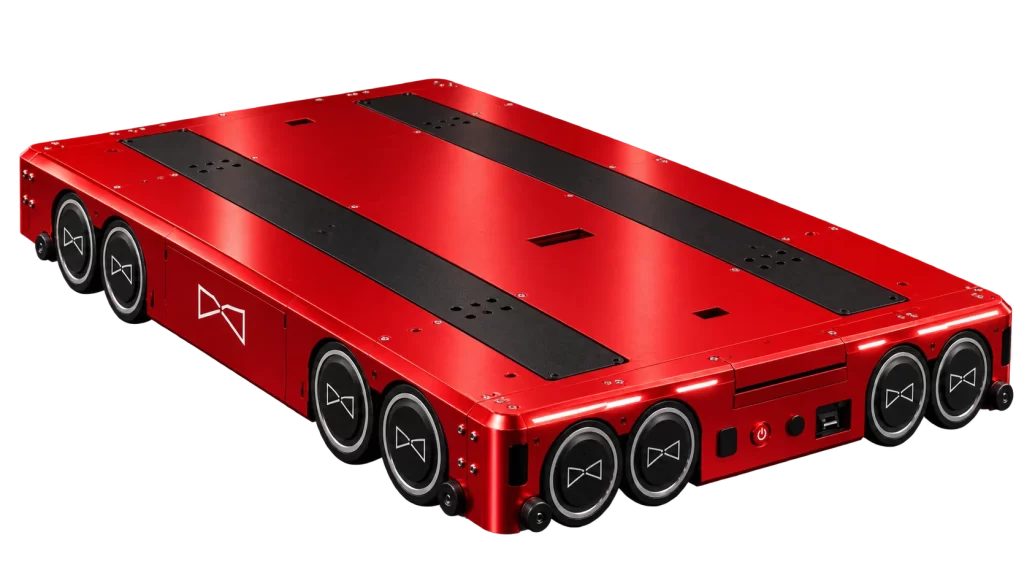
01 · Four-way shuttle

Travels on rail in all four directions to every location. 16 driven wheels, positioning to ±3 mm by photoelectric and RFID.
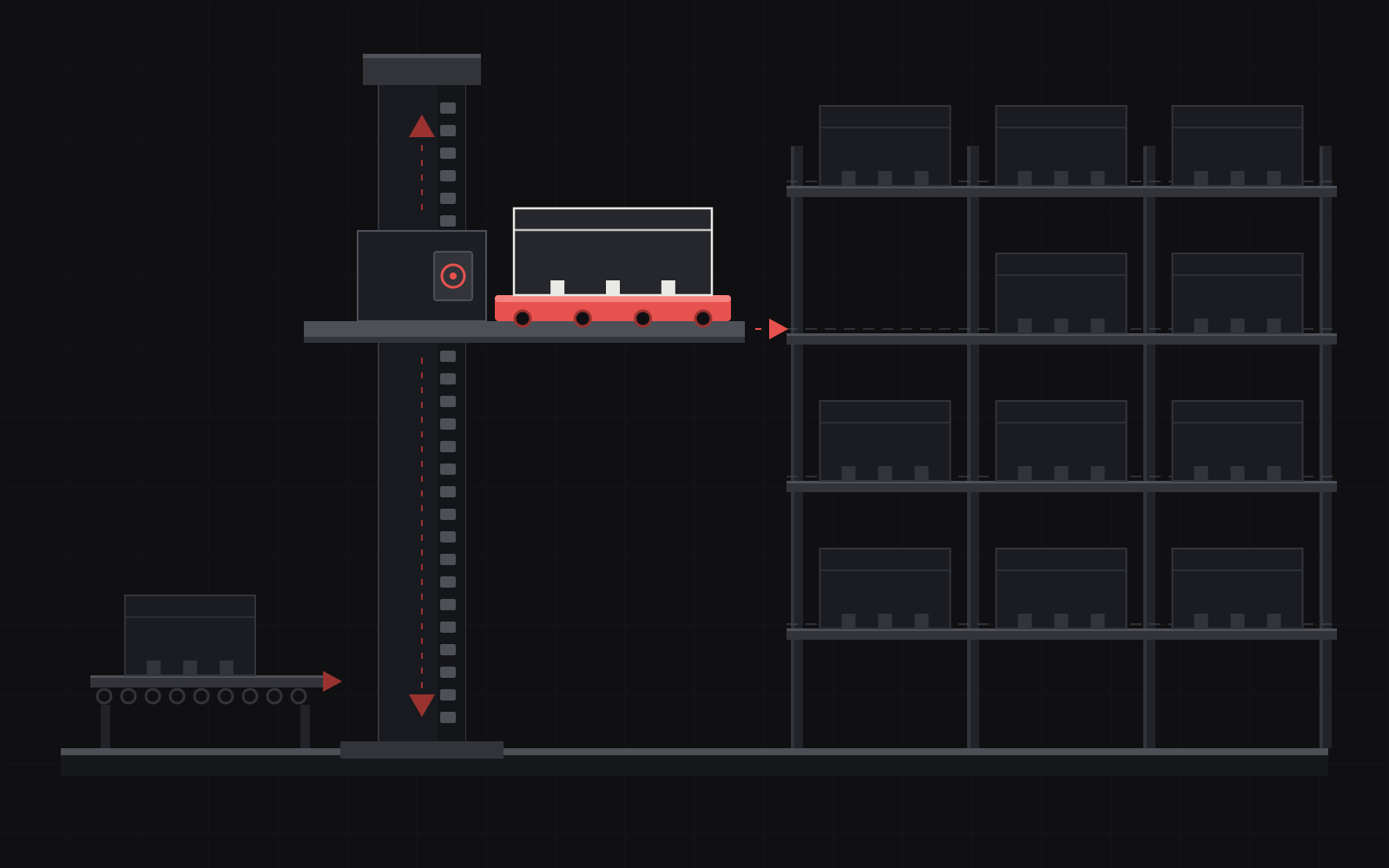
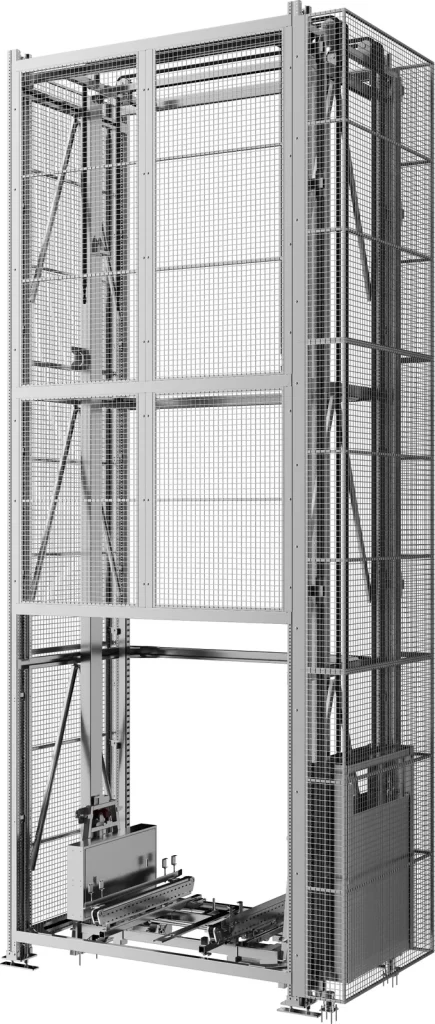
02 · Layer-changing hoist

Servo gear-and-rack, 2,000 kg capacity at 48 m/min, with an anti-fall lock that holds the load through a power loss.
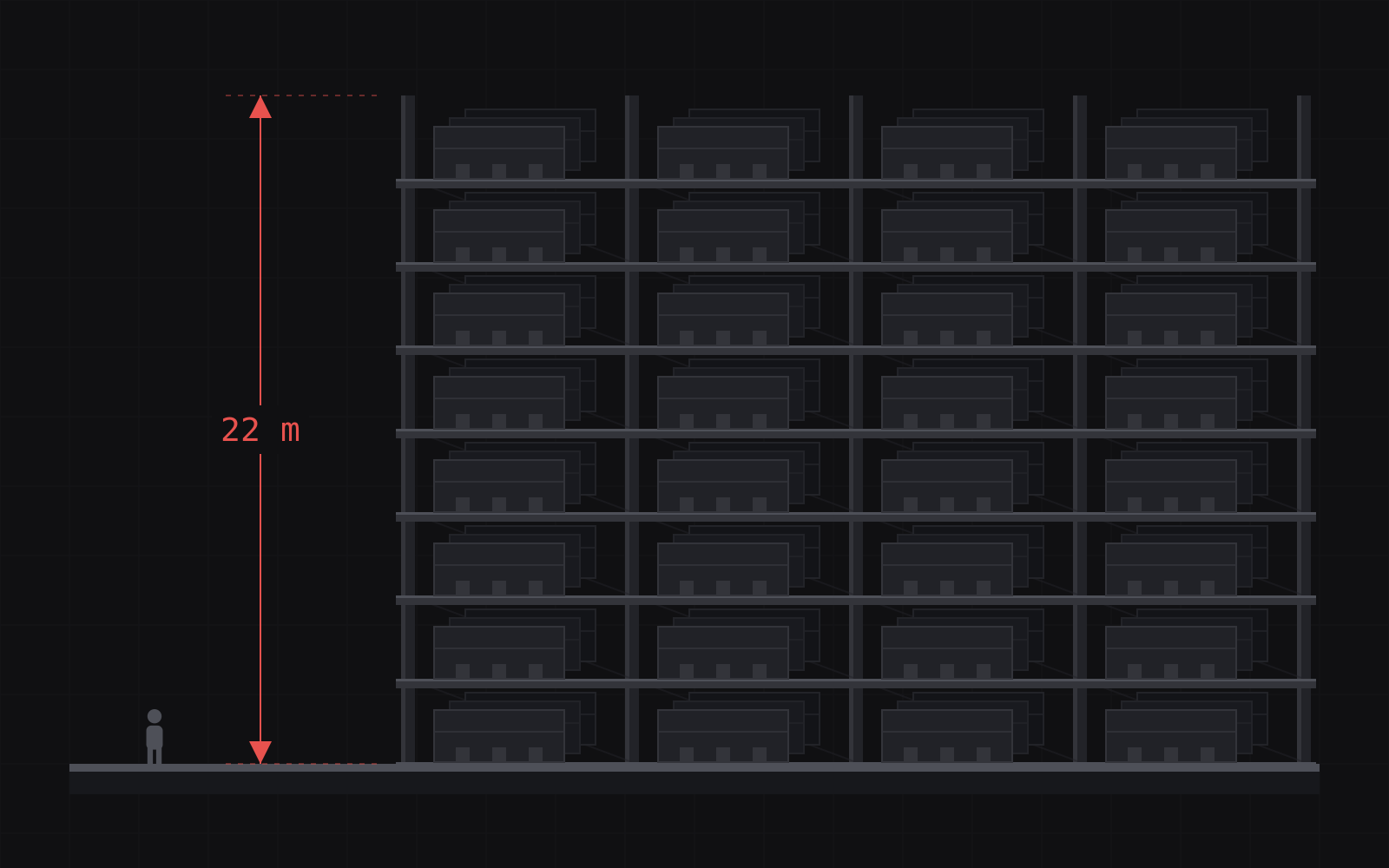
03 · High-density racking

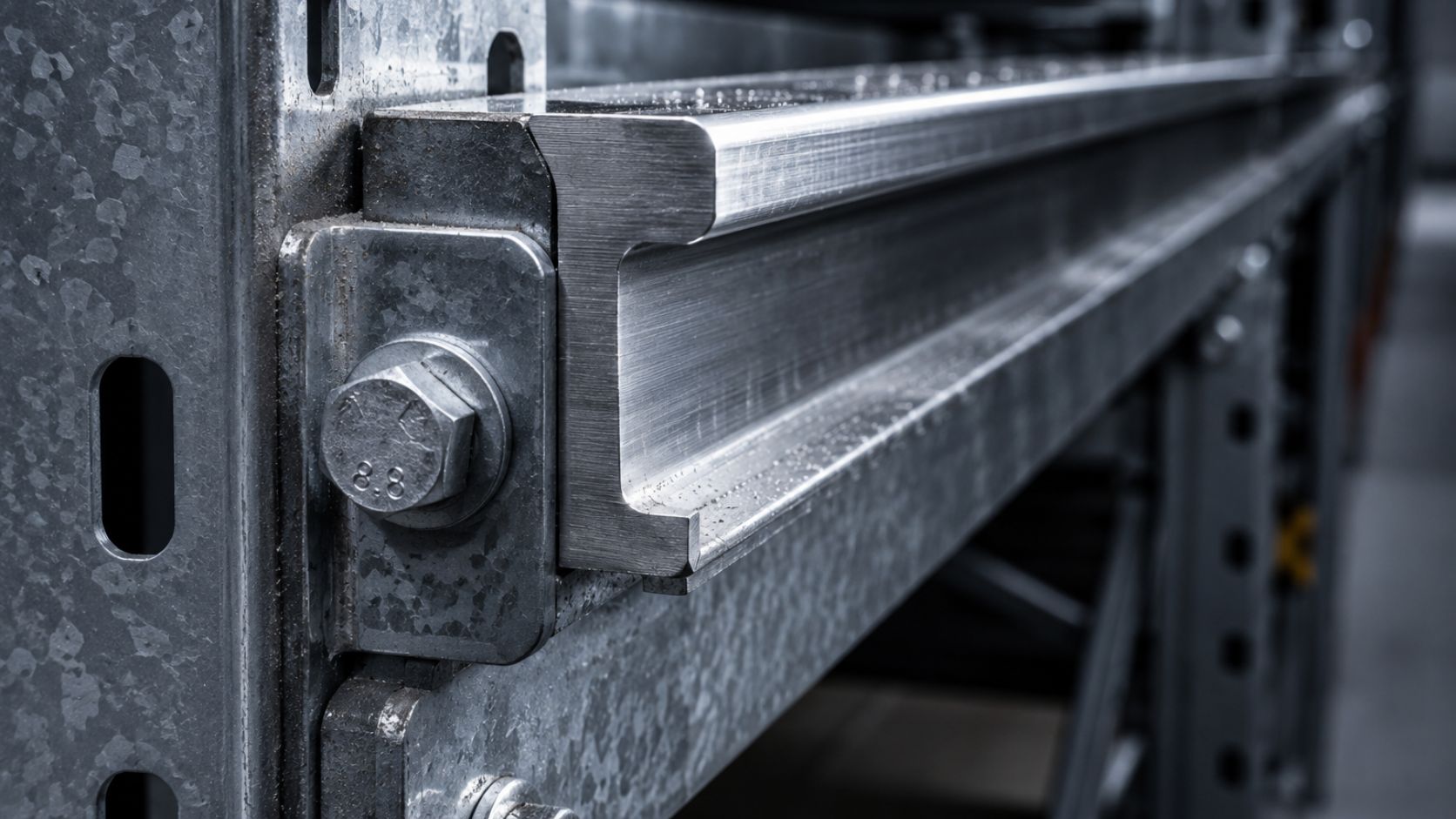
Multi-deep, multi-level cold-rolled rack to 22 m, fast to install and reconfigurable as the operation changes.
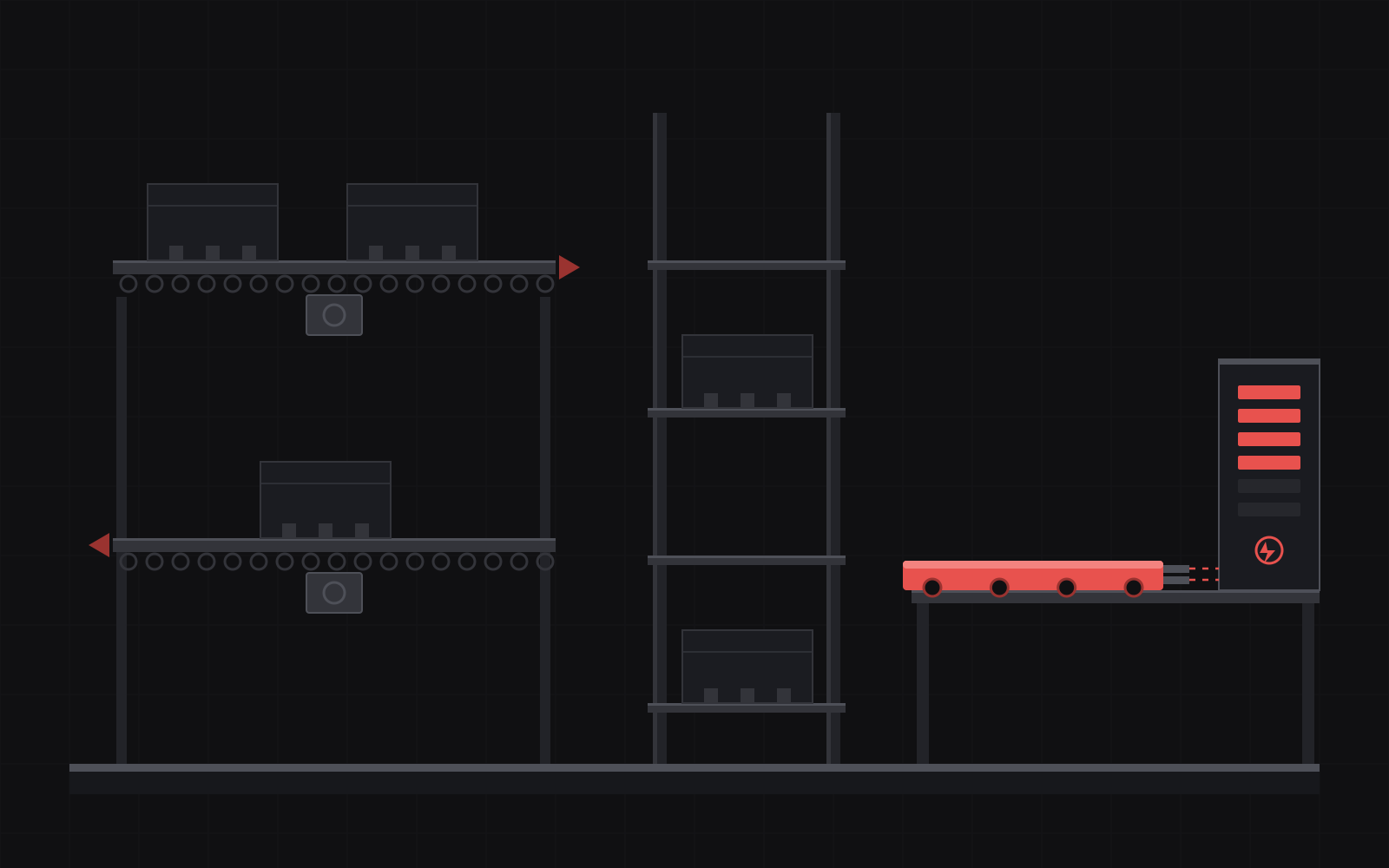
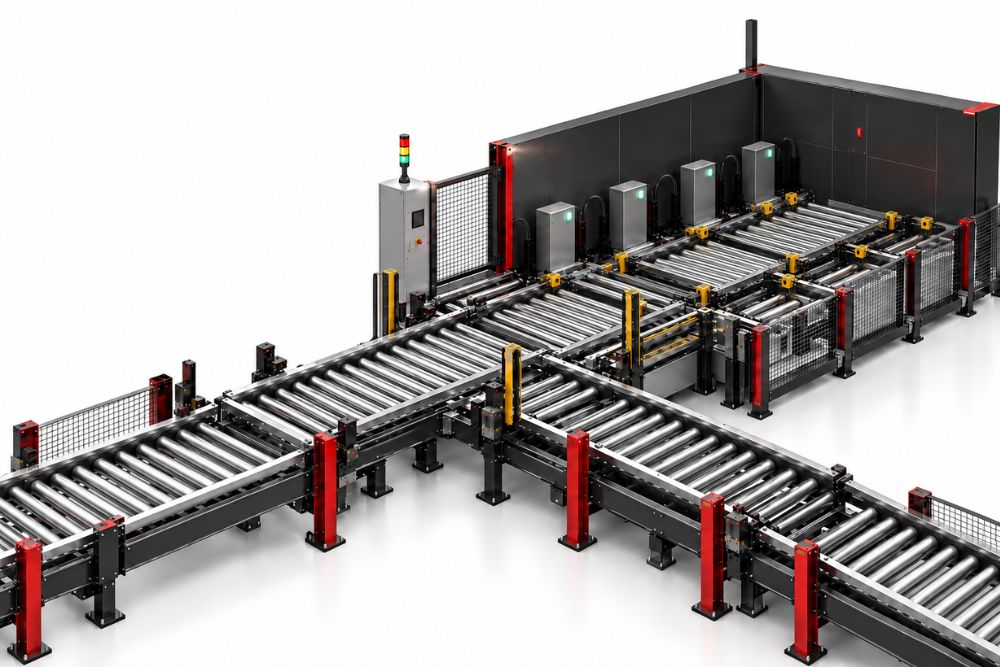
04 · Conveyors and charging

Chain in/out lines at 1,500 kg, and charging stations where shuttles top up while idle for 72 h of running.
Where they run

Built for pallet-level storage.

Cold and frozen storage

The clearest case. Density cuts the volume of air being kept cold, and automation removes the need to staff a freezer across full shifts.

Food and beverage

High pallet turnover on a limited SKU count, where lane depth pays off and date rotation has to be enforced rather than trusted.
Third-party logistics

Density per square metre is the margin. Deep-lane storage lets a site take more client volume without taking another building.
Manufacturing

Raw material and finished goods buffering beside the line, where pallets move in predictable batches and floor space near production is expensive.

Frequently Asked Questions

Pallet shuttles, specifically.

How deep can a pallet lane be?

Deeper than a forklift can reach, which is the point of the platform. Practical lane depth is set by your throughput requirement rather than by the shuttle: the deeper the lane, the higher the density and the longer the retrieval cycle for the pallet at the back. That trade-off is worked out against your inventory profile during system design.

Pallet condition matters more with automation than it does with forklifts. Broken boards, protruding nails and heavily warped pallets are the most common cause of faults in any deep-lane system. Most operations that automate introduce a pallet inspection step at goods-in, and some switch to a single pallet standard across the site.

Two things that are hard to solve any other way. Labour, because staffing a freezer means shift limits, protective equipment and a shrinking pool of people willing to do the work. Energy, because a dense automated store has far less air volume to keep cold per pallet stored, and the doors open far less often.

Yes. They are the same platform with the same control software, so a site can run ambient racking in one zone and a freezer chamber in another and manage both as one fleet. Spares and training carry across, which is a large part of why the platform is built this way.