

HWArobotics

Shuttle System Products

Shuttle systems for automated storage and retrieval. Six models across two platforms, running on one control layer.

Guarantee Ultimate Reliability
With World-Class Quality.
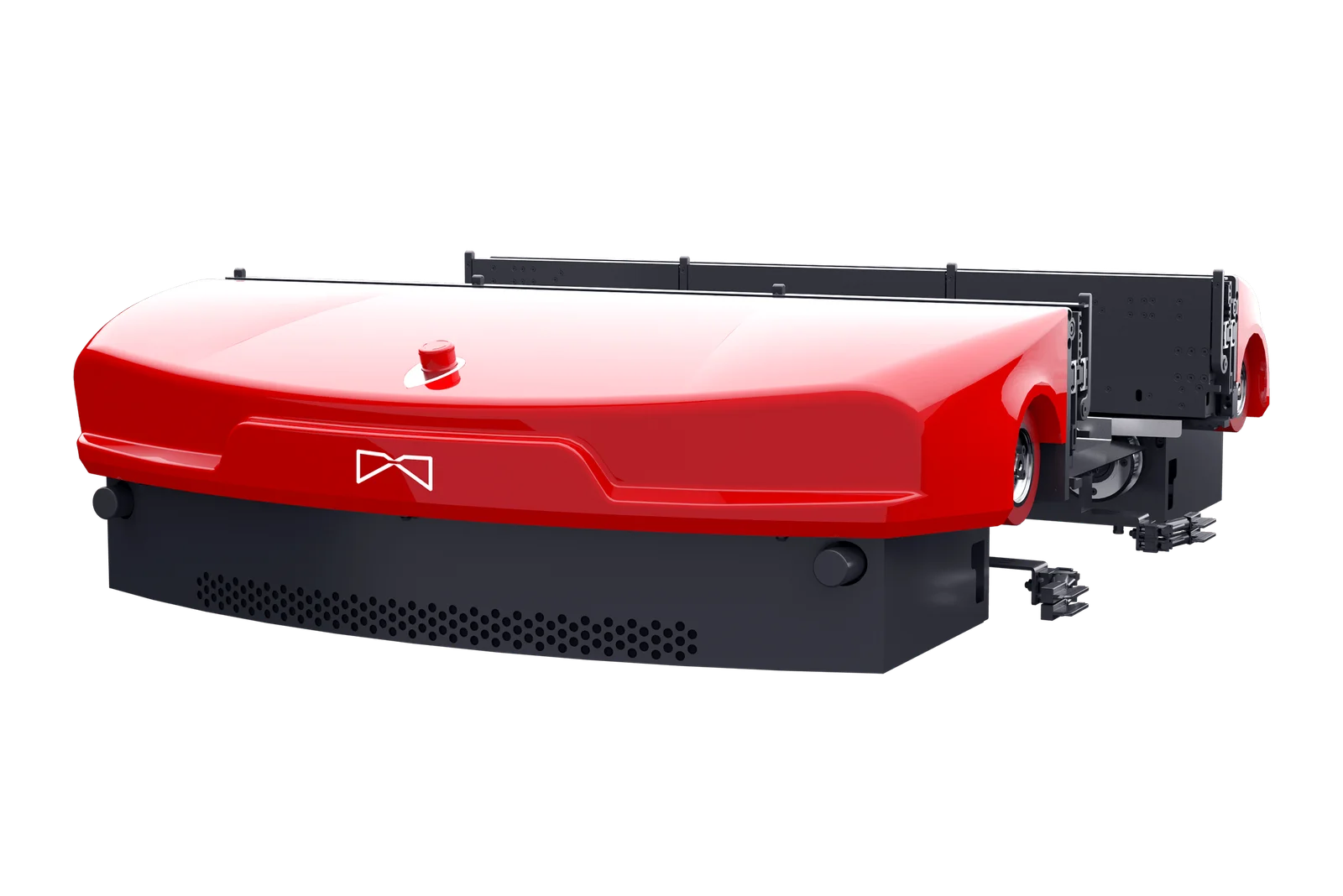
HWArobotics standard tote shuttle

Tote Shuttles

Robotic shuttles that move cases, cartons and totes inside high-density racking, bringing goods to the operator instead of sending the operator to the rack.

Explore Tote Shuttles →
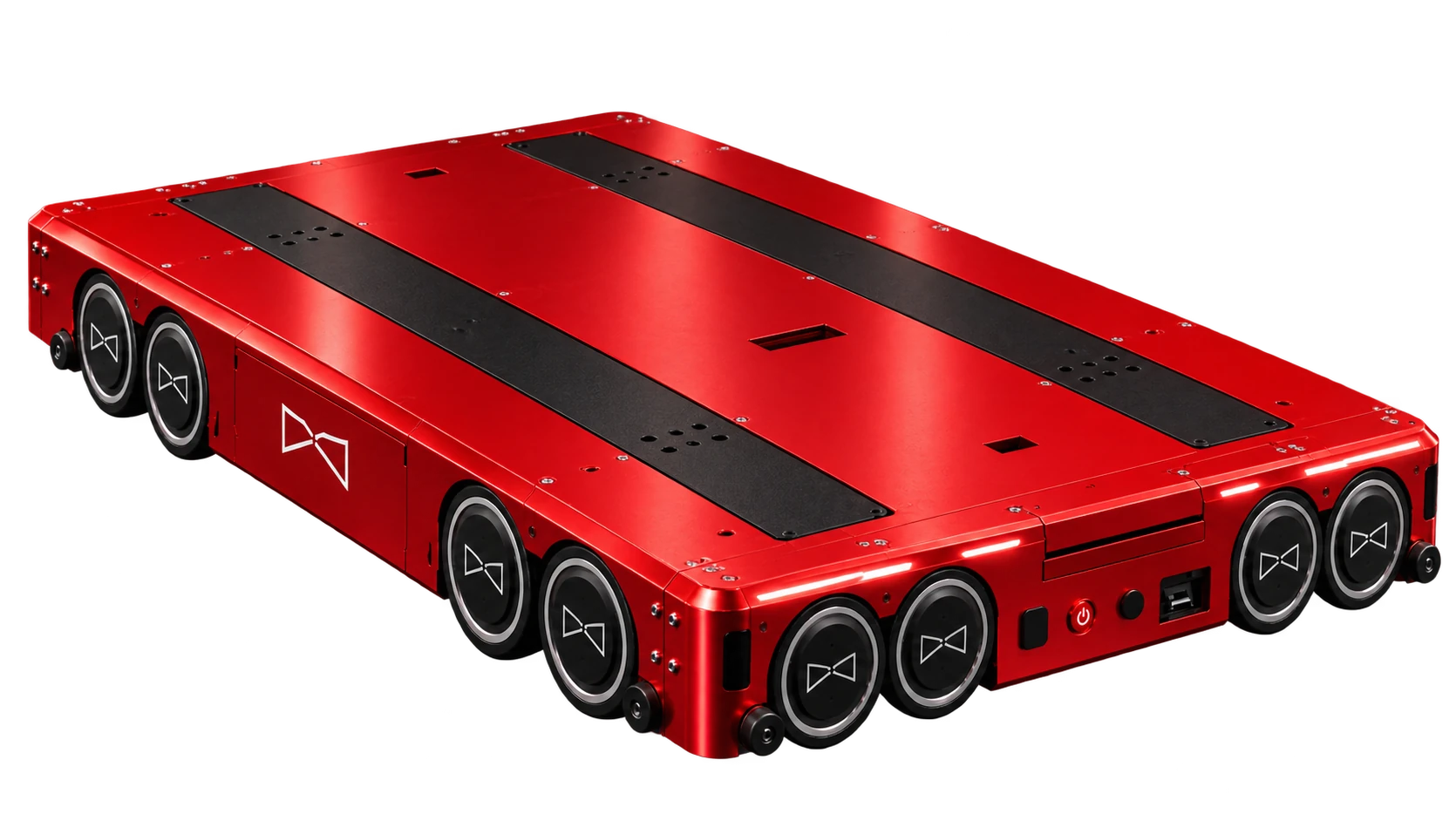
fpss1500a pallet shuttles products

Pallet Shuttles

Four-directional shuttles that handle full pallets inside deep-lane racking, working within the rack itself so floor space is not given over to forklift aisles.

Explore Pallet Shuttles →

CompareTotePallet
Unit handled Cases, cartons Full pallets
Max load 50 kg 1,500 kg
Peak rate, per shuttle 2,500 /hr On request
Freezer operation · To −25 °C
Chosen for Goods-to-person Deep-lane density

Video

Rack-grid background — running on the live page Animation is disabled here so it cannot cover the editing handles. Open the page on the front end to see it.

Journey in the automated shuttle warehouse

Reliability

Measured, not asserted.

System availability, verified by third-party certification bodies
0 %
Telescopic fork service life, cycles
> 0 M
Mean movements between failures
> 0
Contract to delivery, standard configurations
0 Days

SLS900 Series

HWArobotics standard tote shuttle

Standard size

Fixed-format handling at the highest rate in the range, 2,500 cases an hour. The fastest choice where your case dimensions are standardised and stable.
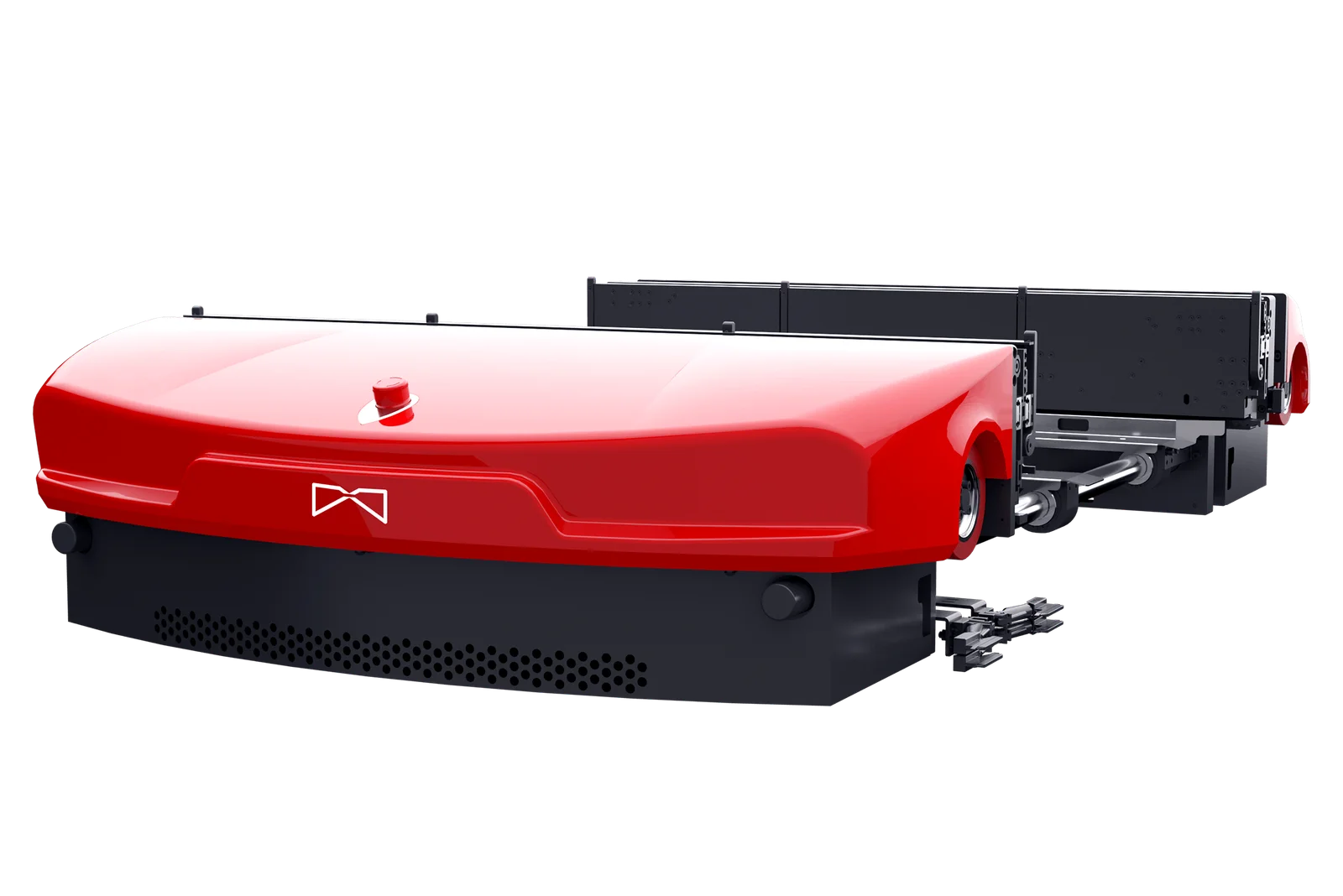
HWArobotics variable size tote shuttle

Variable size

Takes varying case sizes on the same rack, so a mixed or shifting SKU profile needs no mechanical reconfiguration.
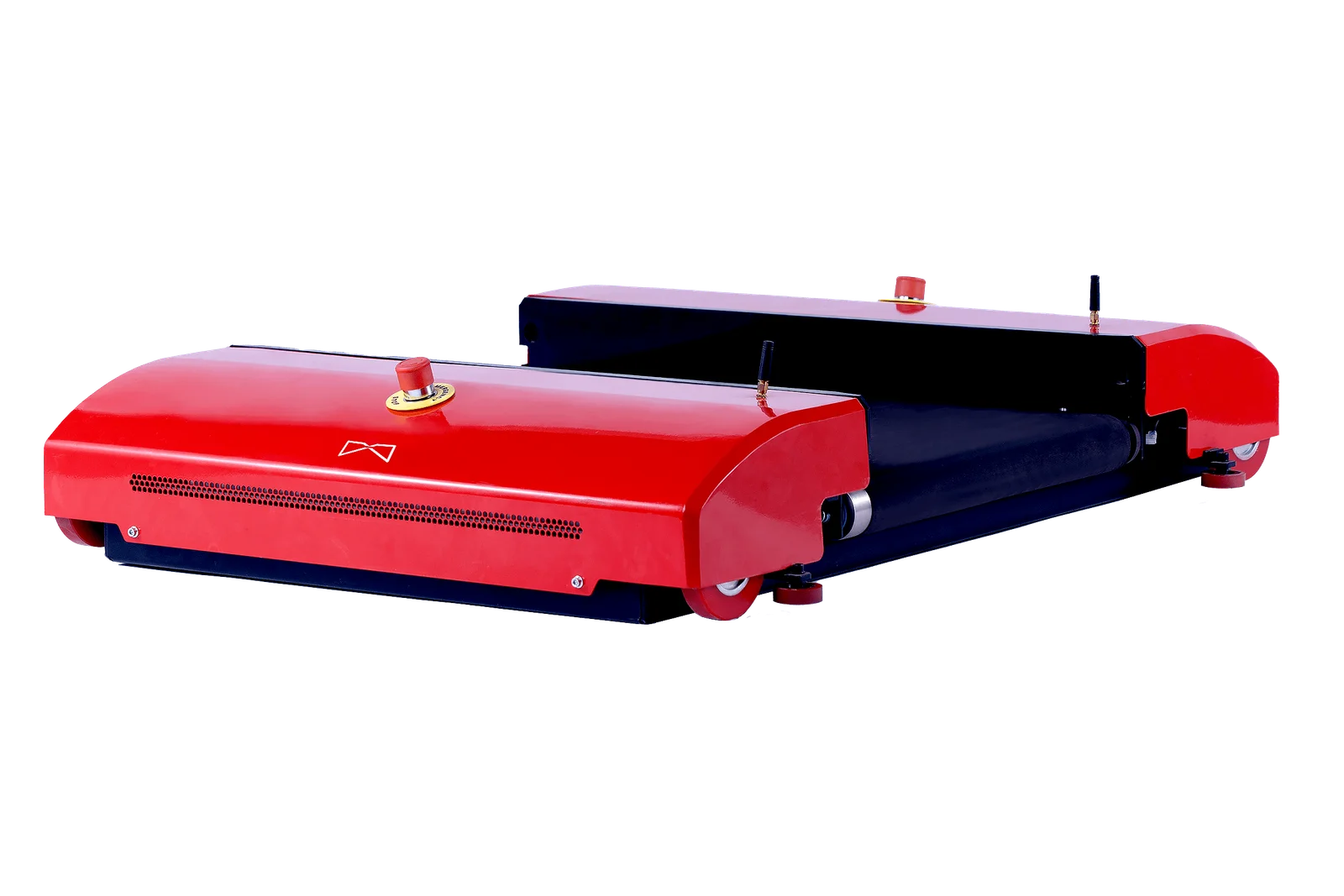
HWArobotics buffer and sort tote shuttle

Buffer & Sort

Flow-rack operation holding strict first-in-first-out while being replenished behind. Built to buffer and sequence orders immediately ahead of pick stations.
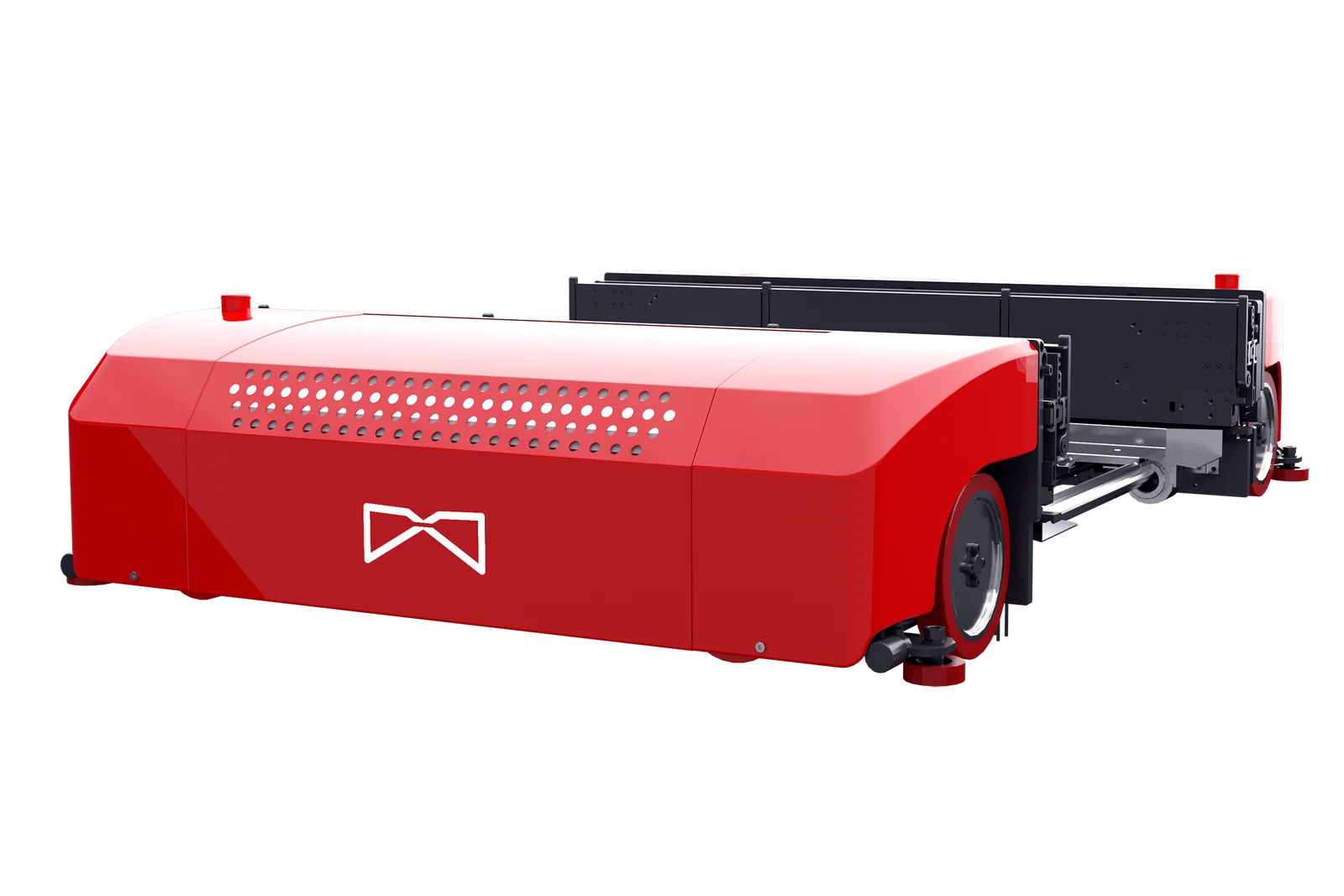
HWArobotics 4-way tote shuttle

4-Way

Travels across aisles as well as along them. Capacity grows by adding shuttles rather than rebuilding rack, so throughput scales with demand.

FPSS1500 Series

fpss1500a pallet shuttles products

Ambient pallet shuttle

All-electric four-directional handling of full pallets up to 1,500 kg, working inside deep-lane racking so the floor is not given over to forklift aisles.
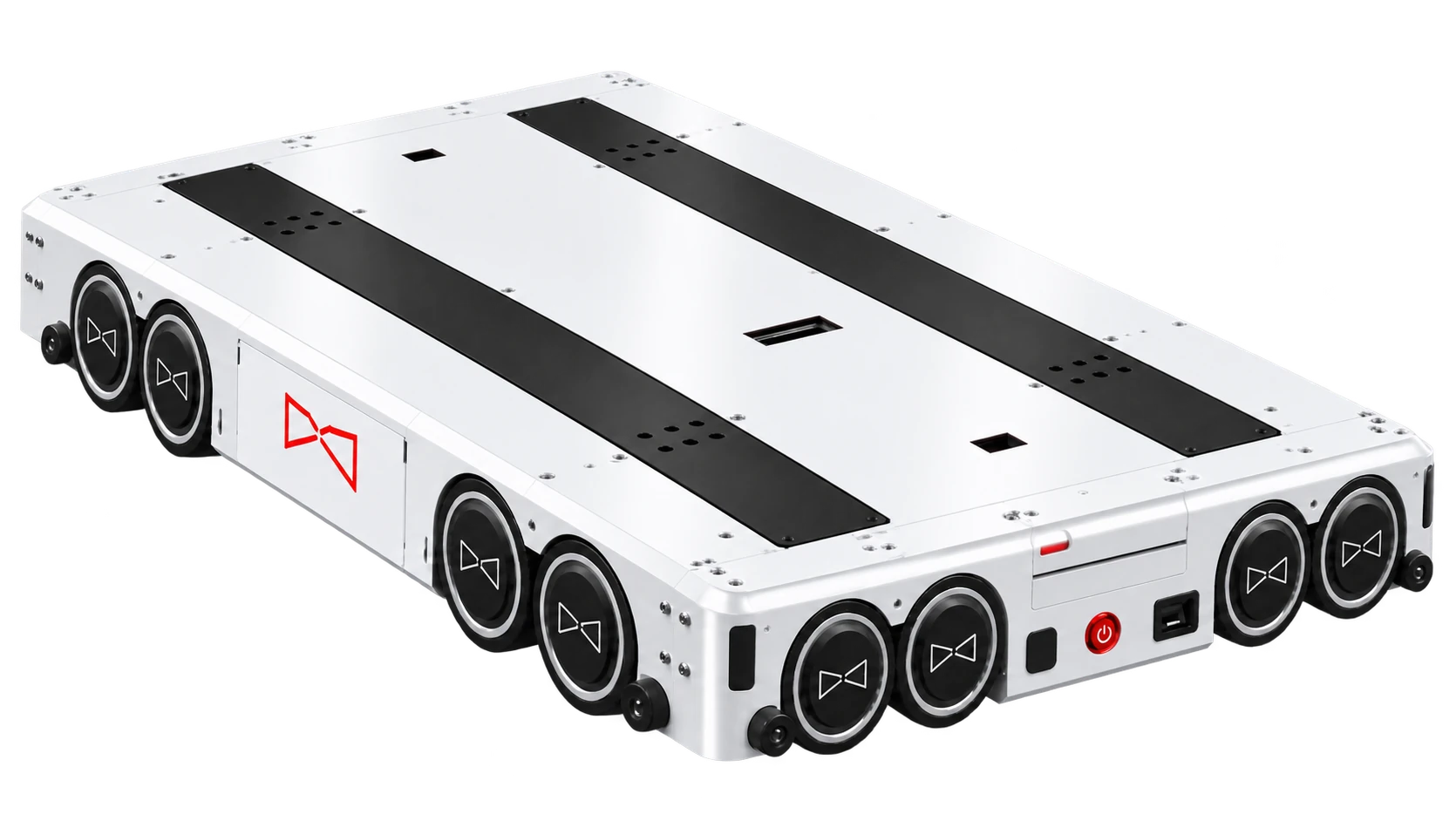
Sub-zero pallet shuttle

The same shuttle rated for continuous running down to −25 °C, where forklifts lose reliability and staffing a freezer becomes the harder problem to solve.

Frequently Asked Questions

Before you specify

What is a shuttle ASRS?

A shuttle automated storage and retrieval system uses robotic shuttles travelling on rails inside a racking structure to place and retrieve loads. Because the shuttles work inside the rack rather than in an aisle, storage density is far higher than conventional forklift or manual operation, and retrieval is faster and repeatable.

Tote shuttles handle cartons, cases and totes for goods-to-person picking, typically at high throughput and low unit weight. Pallet shuttles handle full pallets in deep-lane racking, at lower cycle counts and much higher unit weight. Most operations that run both use them in different zones of the same building.

Per-shuttle throughput on our tote range runs from around 540 to 2,500 cases per hour depending on model and duty. System throughput is a function of shuttle count, aisle layout and lift configuration rather than any single machine, so the meaningful number comes out of a simulation against your own order profile.

Yes. The FPSS1500B is rated for continuous operation down to −25 °C. Cold-store automation also removes the need for staff to work extended shifts in freezer conditions, which is often the harder constraint to solve.

In most cases, yes. Our systems are designed to work within an existing building envelope, which avoids the cost and lead time of new construction. The limiting factors are usually clear height, floor flatness and column spacing rather than footprint.

100 days from contract for standard configurations. Commissioning time on site depends on system size and how much of the building has to stay operational during installation.