

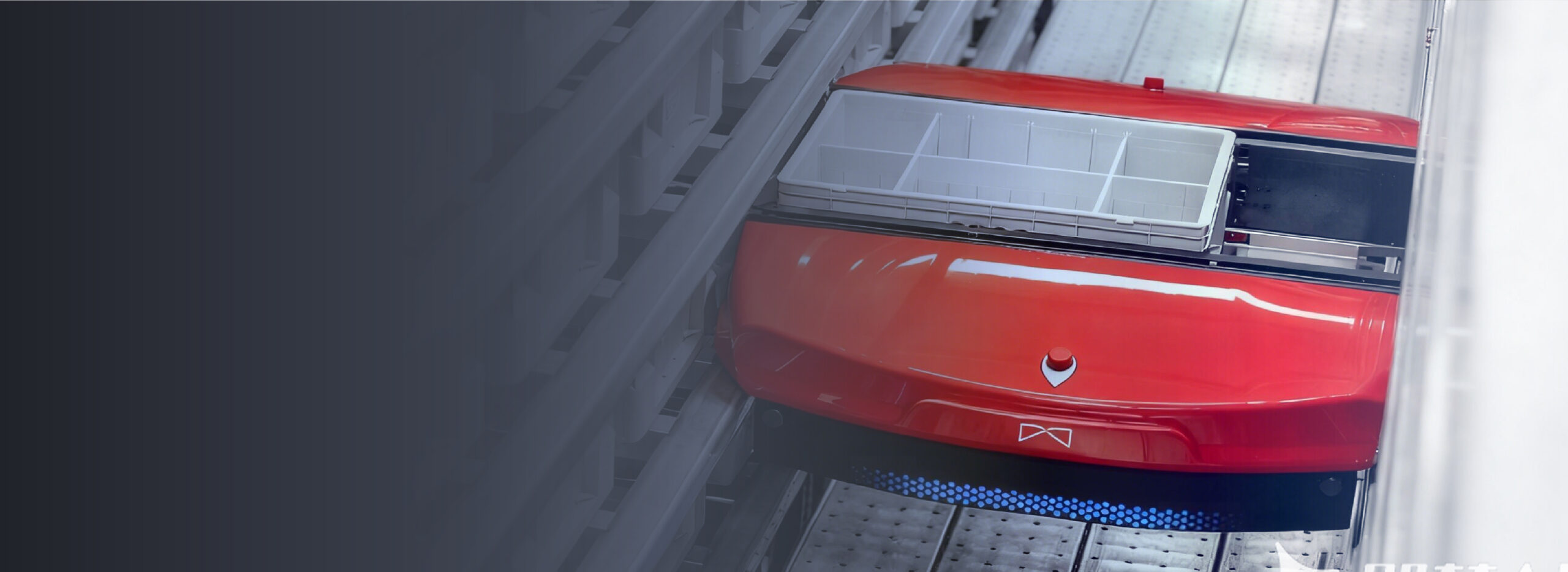
HWArobotics

Hight-throughput • Low-throughput • Buffer & sort • Pallet solution

Automated Warehouse Solutions

Four systems, one supplier, one software layer. Mutually inclusive, combine them all for an overclocked warehouse performance.

100–2,500

Boxes per aisle per hour

10-1500kg

Unit load

-25°C to +50°C

Operating temperatures

200–1,200 mm

Unit footprint

Core solutions

Four systems, four constraints

Each one is built around a different bottleneck. Start from the constraint you actually have and the choice makes itself. We build four warehouse automation solutions, because the right answer at 200 totes an hour is not a slower version of the right answer at 2,500, it is a different machine.

The question that decides which one is not “how automated do you want to be.” It is which constraint is actually costing you: rate, density, sequence or floor.

When throughput is the constraint

HWArobotics shuttle ASRS

Multi-Shuttle Warehouse + Conveyor Line

High-Density Storage × Continuous Conveying.
Suited for high-frequency, large-volume inbound/outbound scenarios.

When density is the constraint

HWArobotics shuttle ASRS

Multi-Shuttle Warehouse + AMR

High-Density Storage × Flexible Transport. Suited for scenarios with lower throughput, order fluctuations, and dispersed operating areas.

When sequence is the constraint

HWArobotics shuttle ASRS

Multi-Shuttle Warehouse + Flow Rack

Centralized Storage × Fast Buffering × Efficient Sorting.
Suited for multi-SKU, multi-order, high-frequency break-case sorting scenarios.
When floor space is the constraint

Pallet Shuttle Warehouse + Conveyor System

High-Density Storage × Efficient Flow.
Suited for pallet-level, large-volume, high-load storage scenarios.

Comparison

Choosing between them

Published figures for each system. Where a range is given, the value depends on configuration, aisle count, rack height and storage depth, which is what the design study settles.

SolutionModelThroughput, single aisleUnit loadContainerChosen when
High-throughputSLS900 Standard2,500 totes/hr35 kg standard, 50 kg maxStandard totes and cartonsPeak rate decides the design
High-throughput mixed-size storageSLS900 Variable1,000 totes/hr35 kg standard, 50 kg max200–850 × 200–650 × 60–500 mmOne system has to hold a mixed container range
Buffer & sortSLS900 Sort & Buffer540 totes/hr inbound3 kg standard, 20 kg max200–600 × 200–400 × 150–500 mmSequence and FIFO decide the design
Low-throughputSLS900 4-Way100–1,000 totes/hr35 kg standard, 50 kg max200–850 × 200–650 × 160–500 mmDensity matters more than rate
Pallet solutionFPSS1500A & FPSS1500BConfiguration dependentFull pallet 1,200 x 1,000 mmFloor area is the binding constraint
Rack-grid background — running on the live page Animation is disabled here so it cannot cover the editing handles. Open the page on the front end to see it.

Reliability

The numbers most suppliers leave out

Storage density and throughput are the easy claims, and every supplier makes them. The harder question, the one that decides what the system costs you over fifteen years, is what happens when something stops. Across the installed base, system availability runs above 99%. These are the figures behind that, and we publish them because they are the ones we would ask for.


>5,000

MMBF — mean movements between failures

<15 min

MTTR — mean time to repair

±1.5 mm

Lift positioning accuracy

12 million

Operational cycles, shuttle fork service life