Archive for 3 月, 2024

7 Practical Tips for Pharmaceutical Warehouse Layout Optimization in 2024

星期日, 31 3 月, 2024

As pharmaceutical warehouse managers, we understand that pharmaceutical warehouse layout optimization is the key to unlocking the full potential of storage and logistics capabilities.


Want to supercharge your operation’s efficiency? Optimize your warehouse for a logistics edge that cuts costs and boosts customer satisfaction.


From cold chain mastery to automated excellence, the right tweaks can make your supply chain a powerhouse. Ready to upgrade your game? Let’s optimize!



(Copyright image from “https://www.freepik.com/free-photo/view-full-warehouse-with-forklift_17244024.htm#fromView=search&page=1&position=3&uuid=968a425f-e4ff-445a-97de-f8338233b97b”>Image by wirestock</a> on Freepik)


▲Principles of Warehouse Layout Optimization


Overall Integration

A well-integrated warehouse layout ensures that various elements, systems, and processes of the operation—from humans to robots, from receiving to shipping, from raw materials to finished products—all work in harmony. This integration facilitates smooth transitions between different stages of the supply chain, minimizing delays and enhancing efficiency.


Space Utilization

Maximizing the use of available space is crucial in warehouse management. Effective space utilization can reduce the need for additional storage facilities and lower real estate costs, all while improving operations.


Flow Optimization

Ensuring a smooth flow of goods is essential for reducing bottlenecks and increasing throughput. A well-designed layout should facilitate the natural progression of products from entry to exit points.


Flexibility

Being able to adapt to changes in demand, new technologies, and market conditions is vital for long-term success. A flexible warehouse layout can be easily reconfigured to meet evolving business needs.


▲Navigating the Path of Warehouse Layout Optimization


1. Maximize Vertical Storage

Making the most of vertical space can significantly increase storage capacity without expanding the warehouse footprint. High-density racking systems and multi-tiered racking are excellent ways to achieve this.


2. Utilize Space-Saving Techniques Like Double-Deep Racking

Double-deep racking allows for more inventory to be stored in the same floor space, effectively doubling the storage density. This technique can be a game-changer for warehouses with limited space.


3. Enhance Inventory Segregation and Consolidation

By segregating and consolidating inventory based on factors like product type, turnover rate, and storage requirements, warehouses can improve organization and efficiency.


4. Adopt Automated Storage and Retrieval Systems (AS/RS)

AS/RS, such as those provided by HWArobotics, can revolutionize warehouse operations by automating the storage and retrieval process, leading to increased accuracy, reduced labor costs, and improved space utilization.


5. Implement Warehouse Management Systems

Investing in advanced warehouse management systems (WMS) can optimize inventory management and picking routes, providing real-time visibility and control over warehouse operations.


6. Design with Modular Components to Enhance Flexibility

Modular design elements allow for easy reconfiguration of the warehouse layout without costly renovations. This flexibility is crucial for staying ahead of the ever-changing pharmaceutical landscape.


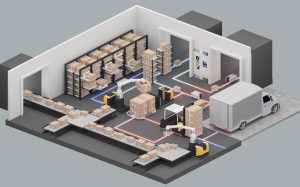
7. Set Cross-Docking Areas

Cross-docking can streamline operations by allowing products to be transferred directly from receiving to shipping areas without being stored, reducing handling and increasing efficiency.
 

▲Cautions while Implementing Warehouse Layout Optimization


1. Gradual Implementation

Rushing through changes can lead to operational disruptions, downtime, and economic loss. A phased and incremental approach to implementation allows for adjustments and refinements along the way.

Rank proposed changes based on their potential impact, cost, and ease of implementation. And break down the optimization process into manageable phases with a specific focus on warehouse layout. Create a roadmap for implementation and process monitoring.


2. Staff Training and Communication

Ensuring that your team is well-trained and informed about the changes is essential for a smooth transition. Effective communication can mitigate resistance and foster a positive work environment.


3. Pilot Testing

Before rolling out changes on a large scale, pilot testing can help identify potential issues and work out the kinks in the new layout. By testing new ideas, processes, or systems on a small scale, you can also reduce the risk and minimize possible loss.


4. Monitoring and Evaluation

Continuous monitoring and regular evaluations of the new layout’s performance are crucial for identifying areas of improvement and ensuring that the optimization goals are met.

Some common KPIs that could be used to measure include:

inventory turnover rate

order fulfillment time

space utilization

accuracy rates

cost per unit

Collect data on the current performance of your warehouse against these KPIs before making any changes.

Collect data routinely for analysis. This will help you find ways to continuously improve the warehouse layout.


▲HWArobotics’ Solution for Warehouse Layout Optimization

HWArobotics offers a comprehensive warehouse layout optimization solution featuring automation and intelligent systems.

Our offerings are engineered to enhance efficiency, productivity, and adaptability, making them an excellent choice for businesses looking to future-proof their warehousing operations.Tote Shuttle Robot System (Mini LoadASRS For Vertical Storage

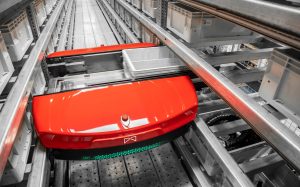
⒈ The Tote Shuttle Robot Systems by HWArobotics include:

SLS300 Series –Tote-handling AS/RS Shuttle Robot System for efficient standardized size product processing

SLS400 Series– Variable Tote-handling AS/RS Shuttle Robot with dynamic adjustment capability

SLS500 Series– Tote-handling AS/RS Shuttle Robot that supports FIFO operations

SLS600 Series — Tote-handling AS/RS Shuttle Robotsupport multi-directional movement and integrated inventory management

These systems excel with features and functions like modular design, space utilization, operational efficiency, and inventory management, particularly for businesses dealing with small-sized items or components.
 

⒉ Pallet Shuttle Robot System (HeavyLoadASRS For Vertical Storage)

In addition to tote shuttle systems, HWArobotics also offers four-directional pallet shuttle systems.

①FPSS1500A

②FPSS1500B

They are designed for efficient handling and storage of pallets. These systems are suitable for room-temperature and low-temperature environments, respectively, and are equipped with European-series parts for quality and reliability.


Conclusion

With a commitment to innovation and reliability, HWArobotics is the partner you need for smart and efficient warehouse layout optimization solutions.

Don’t miss out on the opportunity to enhance your warehouse operations with HWArobotics’ cutting-edge technology. Contact HWArobotics today to discuss your specific needs and explore how their products can drive your business forward!

5 Best Practices for Pharmaceutical Cold Chain Logistics in 2024

星期六, 30 3 月, 2024

When it comes to foods and flowers, we all know the fresher they are, the better. However, when it comes to pharmaceutics and medicine, cold chain logistics can mean something much more important.

If vaccines, biologics, and certain medications don’t stay at the right temperature, they might lose their efficacy and even pose safety and health hazards for humans.

Therefore, it’s never too late to explore the strategic challenges faced by cold chain supply chains and develop tentative solutions to improve them. In this post, we will explain cold chain logistics, how it works for pharmaceutics, and how to manage it efficiently.


(Copyright image from https://www.freepik.com/free-photo/lorry-standing-outdoors-near-warehouse_20879421.htm#fromView=search&page=1&position=2&uuid=abc3b77c-8bfd-442a-b0d2-d2049ad391cd”>Image by zinkevych</a> on Freepik)


▲Unraveling the Cold Chain Logistics


1. Definition of Cold Chain Logistics

Cold chain logistics refers to the practices of using temperature control technologies to maintain the quality of temperature-sensitive or perishable products like flowers, wine, meat, chemicals, pharmaceuticals, etc.


2. Equipment of Cold Chain Logistics

The cold chain requires robust equipment infrastructure to function effectively, including:

  • Refrigerators
  • Temperature monitoring devices
  • Insulated packaging
  • Specialized refrigerated vehicles


3. Key Steps of Cold Chain Logistics

Cold chain logistics typically involves the following processes:

Production and Packaging: Harvest or produce temperature-sensitive products and package them with insulation to maintain temperature stability.

Storage and Transportation: Store in a cold chain warehouse and implement continuous temperature monitoring during transportation.

Distribution and Delivery: Sort at the distribution centers and deliver to the end customers with temperature-controlled vehicles.

Monitoring and Quality Control: Continuously monitor the environment’s temperature and humidity and check the quality of the products routinely.


▲Understanding Biopharma Cold Chain Logistics


(Copyright image from https://www.freepik.com/free-photo/3d-covid19-vaccine_14120889.htm#fromView=search&page=1&position=14&uuid=711b5704-7837-4f23-944e-b7c9e7cf0c7d”>Freepik</a>)


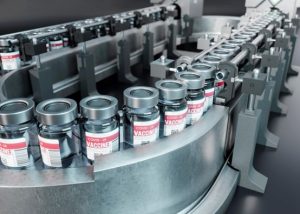
In pharmaceuticals, cold chain logistics refers to maintaining a proper temperature range for biological materials such as blood, stem cells, tissues, transplant organs, drugs, vaccines, and the like.

If the temperature falls out of the specified range and triggers an alarm from the real-time monitor system, or the products are found to be tempered by temperature variation upon inspection, detailed documents and logs are kept to ensure compliance with regulations.


▲Challenges of Cold Chain Logistics in Pharmaceutics


1. Precise Temperature Requirements

Pharmaceuticals often have precise temperature requirements to maintain their efficacy and safety. Fluctuations during storage or cold chain transportation can compromise the quality and potency of the medicines, leading to potential health risks and economic loss.


2. Advanced Infrastructure Requirements

Specialized refrigeration units and temperature monitoring systems are often needed to meet stringent temperature control requirements, especially over long distances or in extreme environmental conditions.


3. Regulatory Compliance

Regulatory compliance in cold chain logistics is challenging because it involves dealing with complex rules from different regional agencies and detailed documentation of everything that happens in the cold chain.

Meeting these rules requires a lot of time and effort. Additionally, strict temperature requirements set forth by regulations for different products also make compliance difficult.


4. Supply Chain Visibility

Visibility in temperature-controlled logistics allows people in charge to monitor the location and condition of pharmaceutical products. This helps ensure the products remain within the specified temperature range, and prompt interventions can be made if anything goes awry.


5. Cost Management

Maintaining the right conditions for storing pharmaceuticals can be very expensive. Though adopting technologies and collaborative partnerships may help, finding the right balance between managing these costs and keeping the medicines safe and effective is tricky.


(Copyright image from <a href=”https://www.freepik.com/free-photo/logistic-center-concept-with-storage-units_13291117.htm#fromView=search&page=1&position=4&uuid=43b8719b-2300-448c-835f-cf8a6b576eba”>Freepik</a>)


▲5 Best Practices to Improve Pharma Cold Chain Logistics


1. Advanced Real-Time Temperature Monitoring Systems

Implementing a real-time monitoring system into cold chain logistics allows for continuous tracking of temperature conditions, ensuring that any deviations are quickly addressed. However, accuracy and complexity remain the pain points that hinder the effective functioning of the temp monitoring system.

Over time, temperature sensors may drift out of calibration, leading to inaccuracies in temperature readings that require regular management. In large-scale cold chain operations with multiple storage facilities and transportation routes, the data of temperature monitoring devices often fail to integrate to assist coordination operations.

In 2024 and beyond, it is suggested you prioritize temp regulating and monitoring devices with the following innovative features:

Comprehensive Temperature Range Coverage

Advanced Sensors with High Accuracy

Automated Calibration Management

Remote Monitoring and Control

System Integration Capabilities

Integration with GPS and Geolocation


2. Thermal Packaging Innovations

Thermal packaging in cold chain logistics works by using insulation to reduce heat transfer or special materials that regualte heat as needed.

Therefore, the thermal packaging helps buffer against temperature fluctuations during transfer and transportation, protecting temperature-sensitive medicines.

Common passive thermal packaging solutions include:

Insulated Shipping Containers

Passive Insulated PCM Packaging

Dry Ice Shipping

Vacuum Insulated Panels

They are effective and cost-efficient for general applications but may be insufficient for long-haul transportation or strict temperature control requirements.

Active thermal packaging often incorporates additional refrigeration units or heating elements, along with a temperature monitoring system, to regulate temperature more precisely.

So, adopting innovative thermal packaging when needed is essential to addressing the challenges of global pharma distribution and reducing the risk of product spoilage.


3. Cold Chain Warehouse Robotics

Cold-chain warehouses are critical components of cold-chain logistics. They ensure products remain within specified temperature ranges during storage, manage inventory, fulfill orders, and uphold quality standards.

Some market factors are calling for the adoption of cold chain warehouse robotics:

Temperature-sensitive pharmaceutical products market is expanding rapidly

Consumers are increasingly expecting faster delivery

Regulators requiring improved traceability


Robotics for the cold chain can significantly improve efficiency and accuracy in warehouse operations with common robotics solutions include:

Automated Storage and Retrieval Systems (AS/RS)

Automated Picking Robots

Mobile Robots

Intelligent Sorting Robots

Cold Storage AGVs

Temperature Monitoring Robots

Robotic Arms

Moreover, it can help you enhance inventory management and regulatory compliance with better product traceability and data integration, providing a safe and smoother workflow for your employees and better customer service.

4. Advanced Cold Chain Management System

An advanced cold chain management system (ACCCMS) is vital for the pharmaceutical industry. It can utilize IoT-enabled sensors to monitor temperature throughout the cold chain supply chain, collect and analyze data, and optimize logistics.

With an advanced cold chain management system, you no longer need to worry about temperature excursions. The system can monitor temperature and coordinate resources to reduce the risk of product deterioration.

You do not need to go through complex compliance-required documentation and reporting tasks with automation.


5. Staff Training

Pharma’s cold chain supply chain requires a high level of expertise, precision, and regulatory compliance. Staffs have a comprehensive understanding to ensure regulatory compliance, temperature control and products handling.

Though technology integration can instantly improve cold chain efficiency and transparency, it still needs capable staff to make the most of it and respond quickly and effectively when an emergency occurs.

The human element remains crucial; investing in staff training ensures adeptness in handling complexities and effectively leveraging technology, ultimately safeguarding product integrity and patient safety in the ever-evolving landscape of pharmaceutical cold chain transportation.


(Copyright image from https://www.freepik.com/free-photo/truck-waiting-loading-near-warehouse_20879430.htm#fromView=search&page=1&position=0&uuid=425882db-a349-4d78-95ef-6aa7cb8e719d”>Image by zinkevych</a> on Freepik)


▲HWArobotics: Your Best Companion into the Future of Cold Chain Logistics

In summary, temperature-controlled logistics is paramount for ensuring the efficacy and safety of pharmaceuticals. However, challenges like temperature control, regulatory compliance, and cost management persist.

As we look ahead, technology plays a crucial role in cold logistics. Innovations like real-time temperature monitoring, active thermal packaging, and advanced cold chain management have the potential to revolutionize the pharma industry’s cold logistics.

HWArobotics stands as a beacon of excellence in automated storage and retrieval systems in cold chain logistics, contributing to higher efficiency, better product integrity, better traceability, and better inventory management in pharmaceutical logistics.

See how you can upgrade your pharmaceutical logistics with the HWArobotics Four-Directional Pallet Shuttle System for Cold Chain Logistics!